Living Water: Entering the Season of Creation
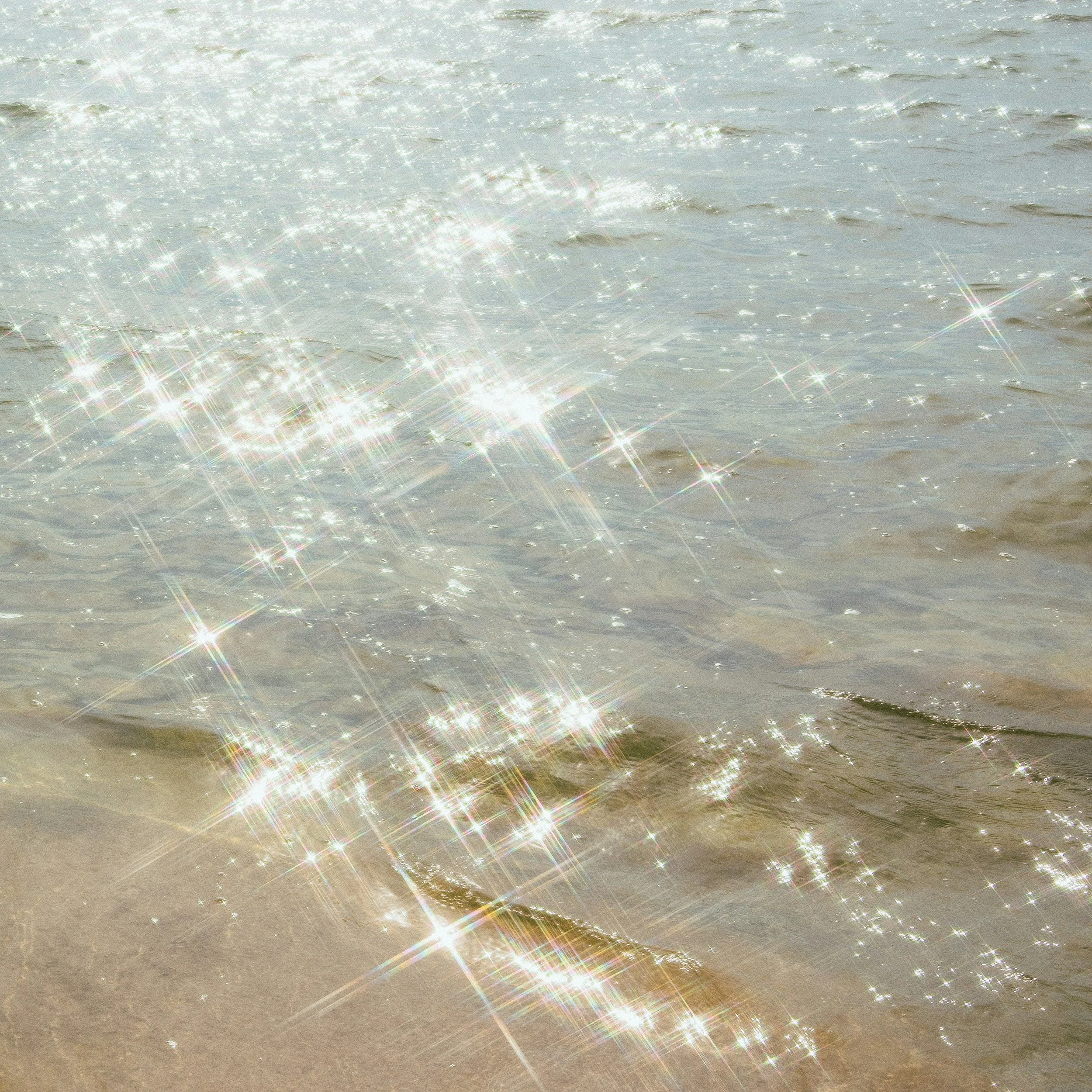
“Wherever the river flows, every living creature that swarms will live… because this water flows there and makes the salt water fresh; so where the river flows everything will live.” — Ezekiel 47:9
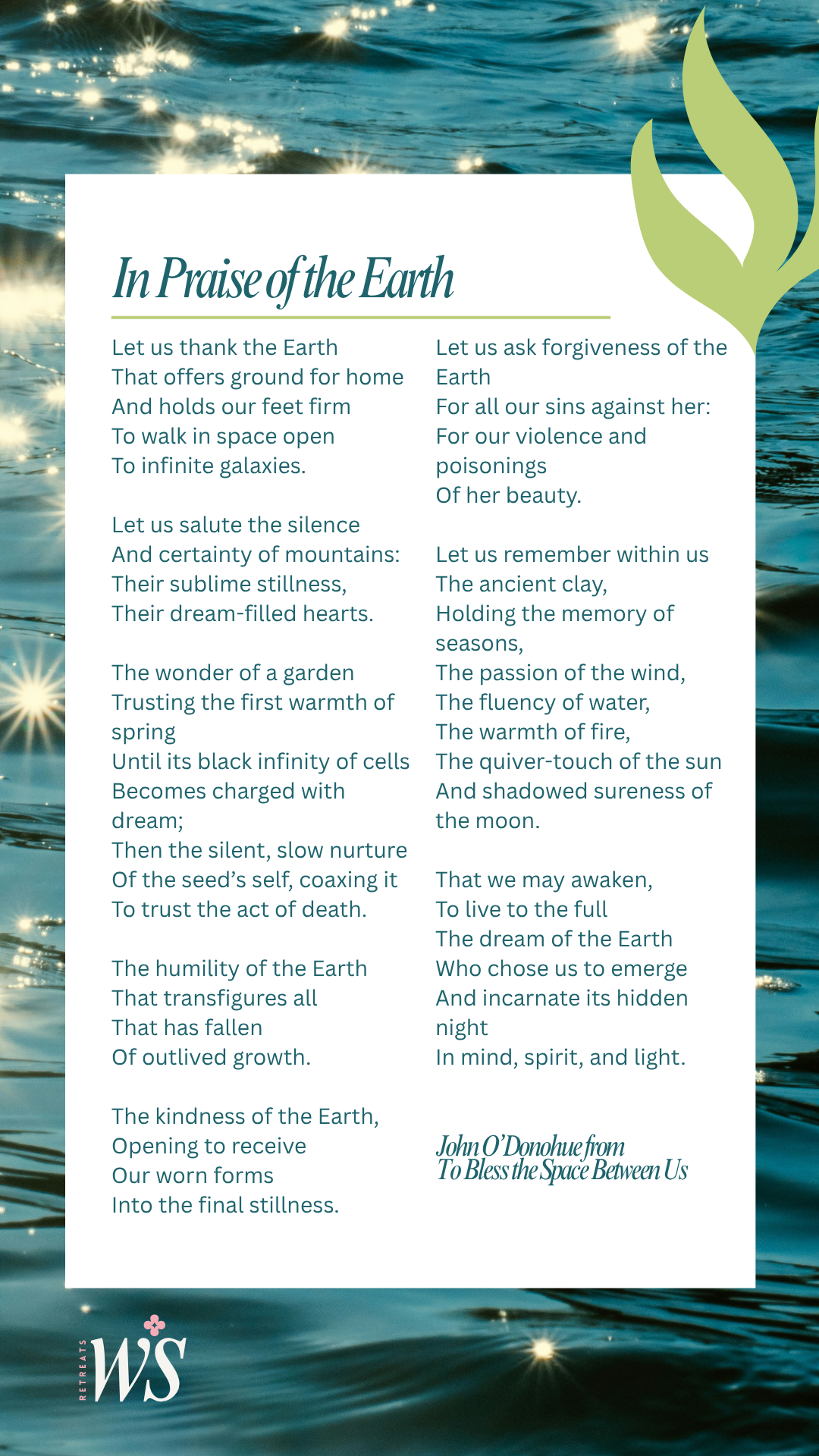
A Season to Remember Where We Belong
Did you know that September 1–October 4 is the Season of Creation?
It’s one of those beautiful rhythms of the church calendar that we wish more people knew about. Each year, Christians around the world are invited to set aside this time to celebrate the gift of creation, to listen again to the wisdom of the natural world, and to remember our place within the beautiful, interconnected web of God’s good creation.
The Season of Creation is an ecumenical observance that grew from a desire within the global church to create intentional space for prayer, reflection, and action on behalf of creation. September 1 has become a day of prayer for creation, and the season continues through October 4, the Feast of St. Francis of Assisi, whose life was marked by a deep sense of kinship with the natural world.
We love that this season exists because it gives us permission to pause and notice something that can be very easy to forget: we are not separate from creation. We belong to it.
We breathe the air that trees and plants help to sustain. We drink water that has been moving through the earth long before we arrived. We eat what the soil grows. Our bodies are made from the dust of the earth, and one day they will return to it. Creation isn't simply the beautiful backdrop against which our spiritual lives happen. It is where our spiritual lives happen.
And perhaps that is part of why the Season of Creation feels especially meaningful to us at Wild Sanctuary.
The Sacred Rhythm of Creation
One of our core values at Wild Sanctuary is Rhythmic Living. We ground our retreats in the sacred rhythms of nature and the church calendar, trusting that the seasons of creation and the seasons of faith have wisdom to offer us. We move with the Spirit—not against time.
We live in a culture that often asks us to override our rhythms. To keep producing, keep striving, keep moving, regardless of what our bodies, souls, or the natural world might be asking of us. We are encouraged to stay busy through every season, to treat rest as something we have to earn, and sometimes even to approach our own bodies as problems to be solved rather than gifts to be received.
But the way of Jesus invites us into a different kind of life—a life marked by attention, presence, Sabbath, and trust.
Jesus holds and shares our very earthy humanity. He knows that we aren't machines or projects to perfect, but embodied beings—made from the earth and held within God's beloved creation. Again and again throughout Scripture, we encounter God through gardens and wilderness, rivers and mountains, seeds and harvests, wind and water. Creation has always been speaking. Perhaps part of our spiritual practice is learning to listen.
The Season of Creation offers us a whole month to practice that listening.
Living Water
Each year, the Season of Creation carries a particular theme, inviting the global church to reflect and pray around a shared image or concern. This year's theme is Living Water: Make Living Water Flow, drawing from the beautiful and mysterious vision found in Ezekiel 47:1–12.
In Ezekiel's vision, water begins flowing from the temple of God. At first, it was only a small stream. But as the prophet follows the water, it grows deeper and deeper until it becomes a river that cannot be crossed. And wherever the river goes, life follows. The barren land is restored. The waters are made fresh. Fish return. Trees grow along the riverbanks, their fruit providing nourishment and their leaves bringing healing. The river becomes a source of life wherever it flows. There is something so hopeful about this image. The water doesn't remain at the source. It moves outward. It carries life with it.
The theme for this year's Season of Creation invites us to consider our own lives in a similar way. Every act of care for creation becomes part of a global stream of hope. We may not be able to see the full impact of our choices, and none of us can heal the wounds of the earth on our own, but we can choose to participate in the work of restoration.
A small act of care may feel insignificant when we look at the enormity of the world's ecological challenges. But perhaps the river in Ezekiel's vision reminds us that restoration doesn't have to begin with something enormous.
Sometimes it begins with a trickle.
When Creation Flourishes, We Flourish
This matters because creation care is not only about protecting beautiful places, important as that is. Creation care is also about remembering the deep connection between the health of the earth and the health of our communities, our neighbors, and our own bodies. The vision in Ezekiel is not one of creation being rescued so that humanity can stand apart from it. It is a vision of interconnected flourishing. The water is restored, the land becomes fruitful, living creatures return, and people receive nourishment and healing.
We are beginning to understand more and more clearly just how deeply connected these things really are. When water is polluted, communities are affected. When soil is depleted, food systems are affected. When ecosystems disappear, the creatures and people who depend upon them are affected. Environmental harm is never only environmental. It eventually touches human bodies and human lives.
And the opposite is true, too. When a stream is protected, or when a habitat is restored, or when a garden is tended, and when a community chooses to care for the land it calls home, something beautiful happens. Life has a little more room to flourish. This is why we believe creation care belongs within our spiritual lives. It isn't an optional extra for particularly environmentally minded Christians, it is part of what it means to recognize that the earth is God's good creation and that we have been invited to live within it with humility, gratitude, and care.
Four Ways to Enter the Season
You don't need to completely change your life to participate in the Season of Creation. In fact, we think there is something wonderfully fitting about beginning small and letting yourself find practices that meet you with the capacity you have. Below are four small ways to enter into the Season of Creation. Try engaging with them on your own, inviting your family into them, or encouraging your small group or women’s group to try them. So many experiences become even richer when experienced together—make the season of creation your opportunity to connect deeper with those in your own circles.
1 . Go outside and pay attention
Take a walk without turning it into exercise or another task to accomplish. Sit beneath a tree. Notice what is growing, what is changing, what is beginning to fade as summer gives way to autumn. Listen for birds. Feel the breeze against your skin. Let yourself be reminded that the world around you is alive and that you are part of it.
2. Spend some intentional time with water
Take a slow shower and notice the gift of clean water moving over your body. Sit beside a creek or river if you have one nearby. Drink a glass of water slowly and offer a simple prayer of gratitude. As you do, imagine the river in Ezekiel's vision moving outward, bringing life wherever it goes.
3. Engage in one small act of care for creation
Maybe you begin composting, plant something, pick up litter along your favorite walking path, reduce your use of something disposable, learn more about the watershed where you live, or support an organization doing environmental restoration. It doesn't have to be dramatic. Choose something that feels possible and meaningful, and let that be your small contribution to the stream.
4. Pray with creation
Find a living thing—a tree, a flower, a bird, even a patch of grass—and sit with it for a while. Resist the temptation to turn the moment into a lesson or immediately ask what it means. Just notice. Give thanks. Ask God to help you see this particular piece of creation with greater love and wonder.
Sometimes attention itself is prayer.
Let the Water Flow
There is something deeply comforting about the image of the river in Ezekiel that begins as a trickle, but it doesn't stay that way. It keeps moving, growing deeper, travelling outwards, and everywhere it goes, life begins to flourish. Perhaps that’s a picture we need right now. We can look at the state of our world and feel overwhelmed by everything that needs to change, and we can wonder what one person could possibly do in the face of problems that feel so much larger than any of us. But the invitation of the Season of Creation isn't to save the world by ourselves. It is to join the river. To remember that our actions are connected to the actions of others, and that together, those little streams of care can become something much larger than any one of us could create alone.
At Wild Sanctuary, we believe that paying attention is a spiritual practice. We believe that the rhythms of creation have something to teach us, and we believe that our bodies, the earth, and our faith are not separate things, but beautifully and mysteriously intertwined.
May we learn to receive the earth as a gift, to notice the sacredness of the world around us, and to let our own small streams of care flow toward healing, hope, and life.